

NEXT
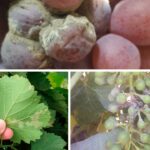
Olive leaf spot: advanced strategies for controlling it

While the list of advantages is extensive, the primary benefits of biostimulants in potato cultivation can be distilled into their ability to optimize nutrient use efficiency, enhance stress tolerance, increase vigor, and improve final harvest quality.
In the specific case of the potato—and directly linked to the application of biostimulants—the fundamental challenge faced by producers at the start of each season is how to maximize both quality and final yield. Questions regarding how to achieve greater tuber uniformity, increase size distribution (grading), and obtain potatoes with higher market value are the key factors that define the success of each productive stage.
To understand the impact of biostimulants on this crop, the focus must be placed on tuberization: the biological process of tuber formation. This cycle is broadly divided into three stages (initiation, bulking, and maturation). Understanding these phases is essential to grasp why the Spanish firm Seipasa recommends the strategic use of its biostimulant, Radisei.
Radisei is an agricultural biostimulant developed from Seipasa’s exclusive and proprietary strain of Bacillus subtilis, SEIBS23. Radisei activates various biological processes within the soil, mobilizes essential micro and macronutrients, and promotes extensive root system growth. This encourages robust crop development, ensuring high-quality final production. Ultimately, Radisei is designed to steer the crop toward its maximum genetic potential.
When applied at the onset of the tuber formation phase, Radisei helps accelerate tuberization, allowing the process to begin earlier. This is particularly valuable in seasons characterized by late planting due to adverse weather conditions, as it compensates for a shortened vegetative cycle and ensures the potatoes reach an optimal marketable size.
Another technical advantage of Radisei is the production of siderophores, which are capable of unlocking soil-bound iron and making it bioavailable to the plant. Indirectly, and through the action of the Bacillus subtilis strain, by sequestering iron in the rhizosphere, Radisei deprives competing pathogens of nutrients, thereby limiting their development.
A third critical advantage during this application window is the generation of a biofilm across the root system. This establishes a potent biological and physical barrier and a symbiotic relationship unique to the SEIBS23 strain.
What are the practical implications of these mechanisms? Primarily, a significant increase in final harvest yield. As shown in Figure 1—the result of efficacy trials comparing Seipasa’s strategy against a grower’s standard reference program—the results demonstrated a 41% increase in production.

Radisei also contributes decisively to obtaining larger, more homogeneous tubers with a better commercial grade. Data from Figure 2 indicates that in the plots treated with Radisei, the percentage of potatoes with a size greater than 5 cm was nearly 50% higher compared to plots using conventional fertilization programs.

In conclusion, the integration of biostimulants into potato agronomic strategies represents a necessary paradigm shift: moving from simply “feeding” the crop to optimizing it so it can successfully respond to environmental stressors. In an increasingly demanding market and an unpredictable climate, biostimulants have become the bridge between soil health and grower profitability. Investing in biostimulation is not merely a search for larger sizes, but a guarantee that each plant expresses its full potential, transforming biological efficiency into solid, sustainable commercial value.